

Is Bali Good for Medical Tourism in 2027?
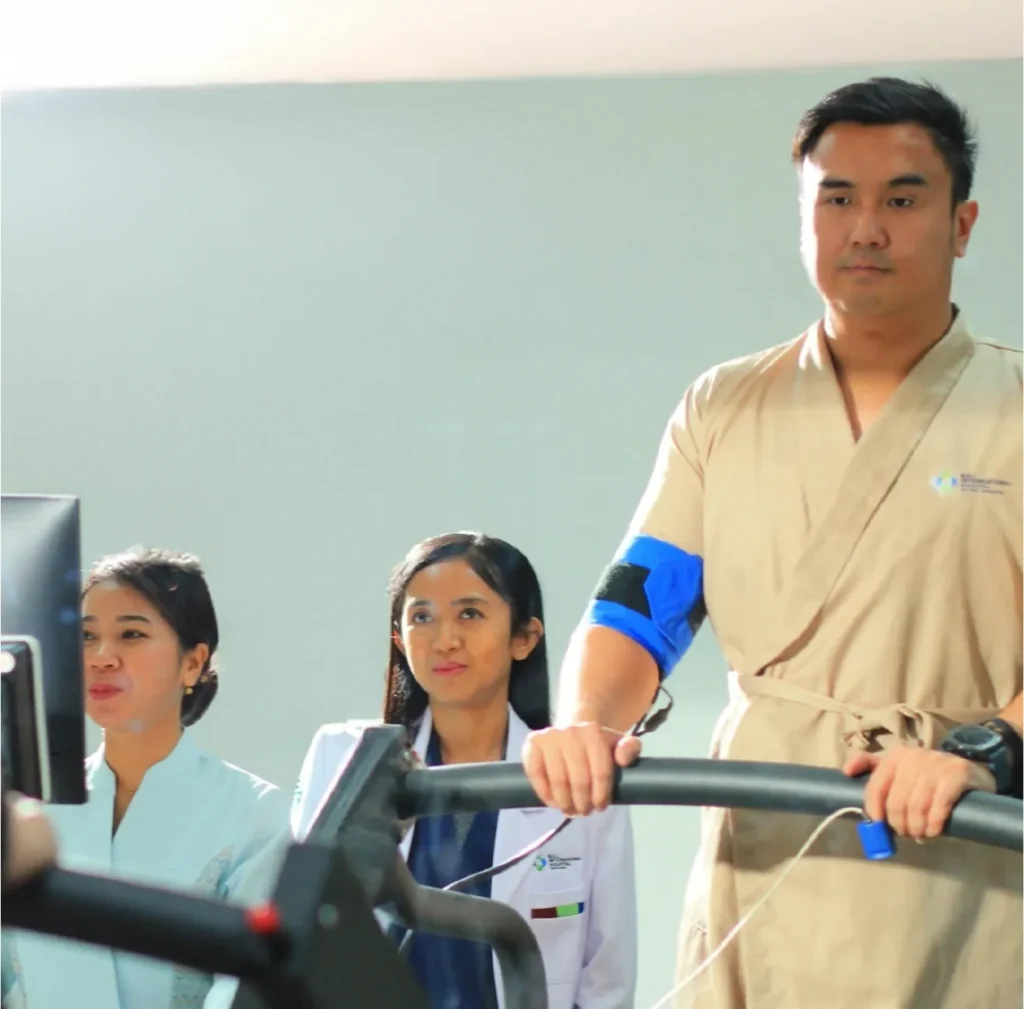
Whether Bali is a good choice for medical tourism in 2027 depends on the individual patient, the procedure being considered, and how carefully a hospital and coordinator are chosen — Bali is not uniformly better or worse than other options, but has clear strengths and specific risks worth understanding before booking. This evaluation looks at what typically makes Bali appealing for medical travel, what risks exist regardless of destination, and how using a vetted facilitator such as Bali Medical Travel, coordinated by Bali Premium Trip, can reduce the logistical and communication risks that most often cause problems for medical travelers.
What makes Bali appealing for medical tourism?
Bali combines an established international hospital network, particularly around Denpasar, with strong existing tourism infrastructure — English-speaking service staff, direct international flights, and a wide range of accommodation options. This makes it more practical than many alternative destinations for combining treatment with recovery time in a comfortable setting, covered further on our Bali medical tourism page. Cost is also frequently cited as an advantage compared with several Western countries, though actual savings depend entirely on the specific procedure and hospital, and should always be confirmed through a written quote rather than general online comparisons.
How does Bali compare on quality of care?
Quality varies by facility and by individual specialist, exactly as it does in any country, which is why accreditation and specialist qualifications matter more than the destination’s general reputation. Our partner hospitals are selected based on accreditation status and track record, but patients considering any hospital — in Bali or elsewhere — should independently verify credentials rather than relying solely on marketing claims from any single source, including this website. This page does not claim that outcomes in Bali are superior or inferior to any other destination; that comparison depends on the specific hospital, surgeon, and procedure involved.
What are the main risks in medical tourism generally, and how does Bali compare?
Common risks across all medical tourism destinations include inconsistent aftercare once a patient returns home, language barriers affecting informed consent, unclear pricing that leads to unexpected costs, and — in the worst cases — unlicensed or poorly regulated providers operating outside proper hospital settings. Bali is not immune to any of these risks, and patients should apply the same diligence here as they would researching a provider anywhere else: checking hospital accreditation, confirming a surgeon’s registration, and insisting on written treatment plans and quotes before committing.
How does using a vetted facilitator reduce risk?
A facilitator’s main value is reducing communication and logistics risk — making sure a patient understands what a hospital has proposed, has transport and accommodation arranged around their treatment schedule, and has a point of contact if questions arise before or after a procedure. This does not reduce clinical risk, which is inherent to any medical procedure regardless of location, and a facilitator cannot and should not claim to improve medical outcomes. What a facilitator like Bali Medical Travel can do is ensure a patient is dealing with an accredited hospital, has a written proposal before committing, and has support navigating the practical side of a trip described on our how it works page.
Which areas of Bali are best suited to medical tourism logistics?
Denpasar, Sanur, and Kuta host most of the island’s international-standard hospitals and the accommodation infrastructure to support them, making these areas the most practical base for a medical trip. Patients considering recovery in a quieter setting outside these hubs should confirm travel time to their treating hospital before booking accommodation, since remote areas of Bali can add significant transfer time for follow-up visits.
What should a patient weigh before deciding?
Relevant factors include the complexity of the procedure being considered, how much time the patient can realistically commit to travel and recovery, whether the treating hospital and specialist have verifiable accreditation and credentials, and whether a clear written quote and treatment plan is provided before any commitment. None of these factors can be assessed generically — they depend on the individual patient’s situation and should be discussed directly with a treating doctor once a hospital has reviewed the case.
How should expectations be set before the trip?
Setting realistic expectations before travel — about timeline, cost ranges pending a written quote, and the likelihood that a treatment plan may shift after in-person examination — tends to make the whole experience smoother regardless of which country a patient chooses. This is true of medical travel generally, not something specific to Bali, and it is one of the most practical pieces of preparation any prospective medical traveler can do before booking flights.
Bali Medical Travel’s position
As a coordination service, we do not claim Bali is the right choice for every patient or every procedure. Our role is to connect patients with accredited facilities, relay written proposals, and support logistics — the decision of whether to proceed, and with which hospital, always rests with the patient and the treating medical team.
Disclaimer: This article is general, non-promotional information current as of 2027 and is not medical advice. Bali Medical Travel is not a medical provider; treatment suitability and outcomes are determined solely by licensed doctors.
How does Bali compare specifically for dental versus cosmetic versus orthopedic travel?
Dental tourism is arguably Bali’s most mature medical travel category, with a wide range of clinics, competitive positioning against destinations like Turkey and Thailand, and shorter typical treatment timelines that suit patients traveling for one or two weeks. Cosmetic surgery involves a longer required recovery period before flying, which patients need to plan around carefully, and outcomes depend heavily on surgeon experience with the specific procedure requested. Orthopedic procedures, covered on our Bali orthopedic surgery packages page, generally involve the most significant travel and recovery planning of the three, given longer hospital stays and rehabilitation needs, and suitability is more tightly determined by a patient’s overall health and mobility before travel.
What should a first-time medical traveler to Bali know?
First-time medical travelers benefit most from starting the process early, asking detailed questions before committing to any hospital or coordinator, and building in flexibility around travel dates in case a treating doctor recommends adjustments to the plan after an initial consultation or the day of arrival. Patients should also plan for the possibility that a procedure they researched online may not be the one ultimately recommended once a specialist has reviewed their specific case in person — flexibility and realistic expectations reduce stress considerably compared with arriving with a fixed assumption about treatment made before any doctor has actually examined the patient in person.
To discuss whether a specific procedure fits a Bali medical travel plan, contact us via WhatsApp at +62 811-2859-0000 or email [email protected].
Keep Reading

Uncategorized
Visa untuk Wisata Medis ke Bali 2027
Memilih jenis visa yang tepat adalah salah satu langkah pertama yang perlu dipastikan sebelum melakukan wisata medis ke Bali, terutama…
Uncategorized
Best Medical Tourism Company in Bali: 2027 Guide
There is no single objectively "best" medical tourism company in Bali — the right choice depends on the procedure a…

Uncategorized
Bali Medical Tourism for Expats in Indonesia 2027
Expats and retirees living long-term in Indonesia have different medical travel needs than short-stay tourists — ongoing check-ups, chronic condition…