

Bali Medical Tourism 2027: The Rise of a Premier Health Destination

Bali is rapidly emerging as a leading medical tourism destination, with significant growth projected by 2027. This rise is underpinned by new infrastructure like the Bali International Hospital, increasing visitor numbers for aesthetic treatments, and a strategic government focus on health and wellness, promising enhanced medical travel experiences and expanded treatment options for global patients.
Bali has long captivated travellers with its cultural richness and scenic beauty. However, its appeal is broadening, with the island now firmly establishing itself as a formidable destination for medical tourism. Projections for 2027 indicate a substantial evolution in Bali’s healthcare landscape, positioning it as a top choice for international patients seeking quality medical care combined with a recuperative environment.
The Strategic Development of Bali Medical Tourism 2027
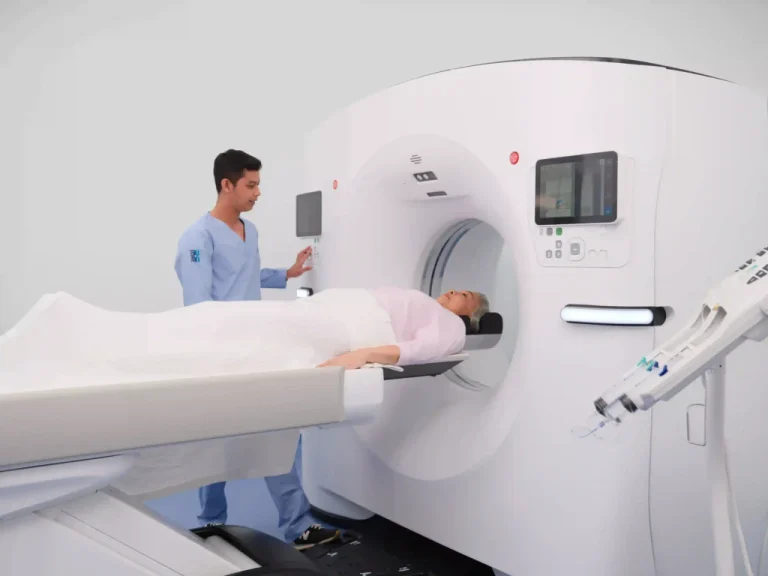
The vision for Bali’s medical tourism future is clear and ambitious. A cornerstone of this development is the Bali International Hospital (BIH), scheduled to open its doors in April 2025 within the Sanur Special Economic Zone (SEZ). This facility is designed to cater specifically to international standards, aiming to reduce the necessity for Indonesian citizens to travel abroad for complex treatments and, crucially, to attract a global patient base. The BIH signifies a significant investment in advanced medical infrastructure, a critical component for the future of medical tourism Bali.
Government initiatives are playing a pivotal role in this transformation. The Indonesian government is strategically planning new hospitals and healthcare facilities across the country, with Bali being a primary focus. This commitment underscores a national strategy to enhance healthcare services, not only for residents but also for medical tourists. Such developments are set to bolster Bali’s capacity to offer a wider array of specialised treatments, from advanced diagnostics to complex surgical procedures, ensuring that Bali health tourism trends 2027 remain on an upward trajectory.
Current Growth and Future Projections
The evidence of Bali’s growing appeal in medical tourism is already apparent. The island has experienced a 15% rise in tourists specifically seeking aesthetic and cosmetic treatments. This segment, driven by competitive pricing and highly skilled practitioners, is a strong indicator of the broader potential for medical travel. By 2027, the health and wellness sector’s share of tourism is expected to increase to 8.3%. This projection highlights a sustained interest in health-focused travel, encompassing not only medical procedures but also preventative care, comprehensive health check-ups, and recuperation programmes.
Global trends confirm that medical tourists often seek dental, neurological, and cardiovascular treatments. As Bali’s medical infrastructure expands and healthcare professionals gain further international recognition, the island is poised to attract patients for these and other specialised fields. The enhanced capacity and specialisation will be instrumental in shaping the future of medical tourism Bali, making it a more comprehensive and attractive option for diverse medical needs.
The Patient Experience: Beyond Medical Treatment
One of Bali’s unique selling propositions is its ability to offer a holistic recovery experience. Patients can combine their medical treatments with the island’s serene environment, known for its calming landscapes and spiritual ethos. This blend of medical care and recuperation is a key differentiator, appealing to those who seek not just healing but also rejuvenation.
When planning a medical trip to Bali for 2027, it is important to consider the overall experience. While daily expenses for general tourism in popular areas like Canggu, Ubud, and Seminyak might start around $150 per day (excluding hotels), medical travel often involves specific packages that bundle treatment, accommodation, and sometimes post-operative care. Travellers are strongly advised to obtain travel insurance that covers unexpected medical or travel-related expenses. This precaution ensures peace of mind and financial security, vital for any international medical journey. For detailed information and assistance in planning, consulting with a reputable medical travel facilitator is highly recommended.
Preparing for Bali Health Tourism Trends 2027
The trajectory for Bali medical tourism 2027 is one of significant growth and enhanced capability. The island is not merely building hospitals; it is cultivating an entire ecosystem designed to support international patients at every stage of their journey. This includes improved patient support services, language assistance, and streamlined logistical arrangements to ensure a comfortable and effective medical travel experience.
The strategic focus on attracting highly skilled medical professionals, coupled with continuous investment in medical technology, will further solidify Bali’s reputation. As the island continues to integrate its unique cultural heritage with modern medical practices, it will undoubtedly offer a compelling proposition for medical tourists seeking both quality treatment and a restorative environment.
2027 Note:
By 2027, Bali’s medical tourism landscape is expected to be more mature and comprehensive. The Bali International Hospital will have been operational for two years, refining its services and expanding its specialisations. The increased share of wellness tourism will also translate into more integrated health programmes, allowing patients to combine medical procedures with recovery therapies, preventative health checks, and holistic wellness retreats. This period will mark a significant milestone in Bali’s journey towards becoming a globally recognised medical and wellness hub.
FAQ
What factors are driving Bali’s growth in medical tourism, and what can we expect by 2027?
Bali’s growth in medical tourism is driven by new infrastructure like the Bali International Hospital opening in April 2025, a 15% rise in aesthetic treatment tourists, and a projected increase in the health and wellness sector’s share of tourism to 8.3% by 2027. By 2027, we can expect expanded treatment options, enhanced facilities in the Sanur Special Economic Zone, and a more integrated approach to medical and wellness tourism, attracting patients for dental, neurological, and cardiovascular treatments.
What types of treatments are most sought after by medical tourists in Bali?
Currently, aesthetic and cosmetic treatments show a significant rise in popularity among medical tourists in Bali. Globally, patients also travel for dental, neurological, and cardiovascular treatments. As Bali’s medical infrastructure, particularly with the opening of the Bali International Hospital, expands and diversifies, the island is poised to attract a broader range of patients seeking specialised medical care in these and other complex fields.
What should medical tourists consider when planning a trip to Bali for treatment in 2027?
Medical tourists planning a trip to Bali in 2027 should consider several factors: the specific medical facility and its accreditations, the total cost including treatment, accommodation, and post-operative care (general daily expenses start around $150 excluding hotels), and the necessity of comprehensive travel insurance covering medical and travel-related emergencies. Additionally, understanding the local support services, such as language assistance, is crucial for a smooth experience.
Keep Reading
Travel Journal
New Sanur Health SEZ: What It Means for Medical Travelers in 2027
The Sanur Health SEZ medical travel 2027 initiative aims to significantly enhance the quality and accessibility of healthcare for international…
Travel Journal
The Rise of Bali as a Top Medical Tourism Destination by 2027
Bali medical tourism 2027 is set to flourish due to strategic investments in healthcare infrastructure, growing international patient confidence, and…
Travel Journal
Bali Preventive Health Screening and Longevity Clinics: A 2027 Focus
Bali offers increasingly sophisticated preventive health screening and longevity clinics, with a notable focus on comprehensive diagnostics and wellness programmes…