

Bali Preventive Health Screening and Longevity Clinics: A 2027 Focus

Bali offers increasingly sophisticated preventive health screening and longevity clinics, with a notable focus on comprehensive diagnostics and wellness programmes by 2027. These services aim to proactive health management, utilising advanced screening technologies and personalised care plans to promote long-term well-being.
As we approach 2027, Bali continues to solidify its position as a significant destination for medical and wellness tourism, particularly in the realm of preventive health and longevity. The island’s appeal is growing beyond its scenic beauty, drawing individuals seeking proactive health management and extended vitality. This focus on future health is increasingly supported by an expanding medical infrastructure and a strategic governmental commitment to healthcare excellence.
The Evolution of Preventive Health Screening in Bali
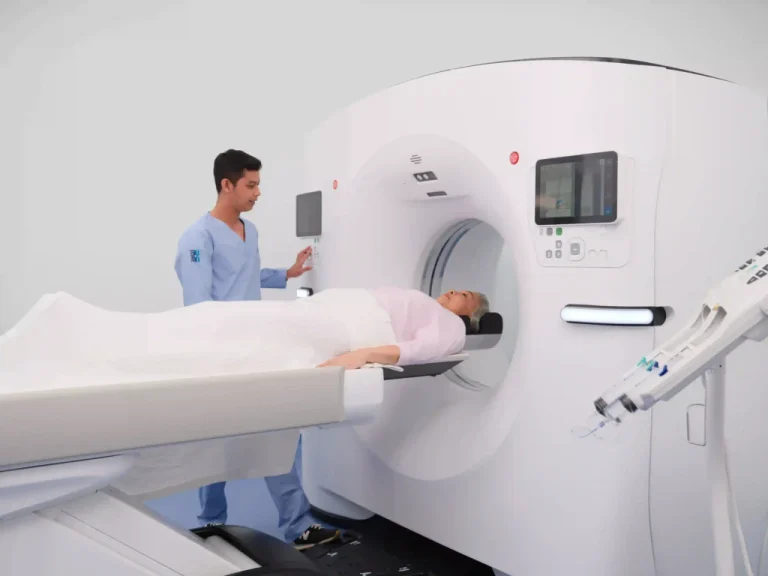
The landscape of preventive health screening in Bali is undergoing a substantial transformation. With the forthcoming Bali International Hospital (BIH) in April 2025 within the Sanur Special Economic Zone (SEZ), the capacity for advanced diagnostics and comprehensive health assessments will expand considerably. This facility is specifically designed to reduce the necessity for Indonesian citizens to travel abroad for complex treatments, simultaneously attracting international patients seeking high-quality care. This includes sophisticated imaging, pathology, and specialised consultations integral to effective preventive medicine.
By 2027, patients seeking a bali full body checkup package can expect access to a wider array of diagnostic tools than previously available. These packages are increasingly tailored, moving beyond generic tests to incorporate genetic screenings, advanced biomarker analysis, and personalised lifestyle recommendations. The aim is to identify potential health risks early, allowing for targeted interventions before conditions become chronic.
Focus on Longevity Clinics in Bali
The concept of longevity clinics in Bali is gaining traction, aligning with global trends in anti-ageing and regenerative medicine. These clinics are not merely treating illnesses but are dedicated to optimising health span – the period of life spent in good health. Programmes typically involve a multidisciplinary approach, combining medical diagnostics with nutritional guidance, bespoke exercise regimes, stress reduction techniques, and sometimes bio-identical hormone therapies or IV nutrient infusions.
The anticipated growth in Bali’s health and wellness sector, projected to reach 8.3% of tourism by 2027, underscores the increasing demand for these specialised services. This figure reflects a broader interest in maintaining vitality and health as individuals age. These bali longevity clinics are becoming central to this movement, offering comprehensive pathways to enhanced well-being and extended healthy living. For those considering their options, exploring the range of services available on this site provides a comprehensive overview of Bali’s medical and wellness offerings.
Key Aspects of Preventive Programmes by 2027
Preventive health programmes in Bali by 2027 are expected to integrate several key components:
- Advanced Diagnostics: Utilising state-of-the-art equipment for early disease detection, including comprehensive blood panels, cardiac assessments, cancer screenings, and metabolic profiling.
- Personalised Health Plans: Developed by teams of doctors, nutritionists, and wellness coaches, these plans address individual risk factors and health goals.
- Lifestyle Medicine: Strong emphasis on diet, exercise, sleep hygiene, and stress management as foundational elements of long-term health.
- Regenerative Therapies: Some clinics may offer therapies such as stem cell treatments (where ethically and legally permissible), exosome therapy, and advanced IV nutrient protocols aimed at cellular rejuvenation.
- Genomic and Epigenetic Testing: Increasingly, services will include genetic predisposition analysis to inform highly personalised preventive strategies.
The increase in aesthetic and cosmetic treatment tourists, which saw a 15% rise, also highlights a broader engagement with health and self-care that extends to preventive measures. While distinct, both sectors benefit from improvements in medical infrastructure and patient care standards.
Considering a Bali Preventive Health Trip in 2027
Planning a trip for medical purposes, even for preventive care, requires careful consideration. While general tourism budgets for popular areas such as Canggu, Ubud, and Seminyak might start at $150 per day (excluding hotels) in 2027, medical-specific costs will vary significantly based on the chosen clinic and the extent of the bali preventive health screening package. It is crucial for travellers to obtain comprehensive travel insurance that covers unexpected medical or travel-related expenses, a recommendation that remains consistent for 2027 trips.
The Indonesian government’s strategy to construct new hospitals and develop medical tourism zones, exemplified by the Sanur SEZ, directly supports the expansion and enhancement of preventive health services. This commitment ensures that Bali remains an attractive and reliable destination for those prioritising their long-term health and seeking comprehensive wellness solutions. For more detailed insights into specific offerings, individuals may consult resources on comprehensive health check-ups and wellness retreats in Bali for 2027.
2027 Note: The year 2027 marks a pivotal point in Bali’s medical tourism landscape, with the full operational impact of new facilities like the Bali International Hospital enhancing the scope and quality of preventive health and longevity services. This period will see a consolidation of advanced medical technologies and integrated wellness approaches, reinforcing Bali’s standing as a premier destination for proactive health management.
Comparative Overview of Preventive Health Services (Illustrative)
Below is an illustrative table comparing general aspects of preventive health services that might be offered in Bali by 2027:
| Service Type | Key Features by 2027 | Typical Duration | Expected Focus |
|---|---|---|---|
| Standard Health Check-up | Basic blood tests, physical exam, organ function tests | Half-day | General health assessment |
| Advanced Preventive Screening | Genetic testing, advanced imaging, cardiac risk assessment, personalised reports | 1-2 days | Early disease detection, risk factor analysis |
| Longevity Programme | Comprehensive diagnostics, anti-ageing therapies, nutritional plans, lifestyle coaching | 3-7 days (initial phase) | Optimising health span, cellular rejuvenation |
FAQ
What types of preventive health screenings and longevity programs are available in Bali for long-term health in 2027?
By 2027, Bali offers a range of preventive health screenings, including advanced diagnostics such as genetic testing, comprehensive blood panels, and cardiac assessments. Longevity programmes focus on optimising health span through personalised nutrition, exercise regimes, stress reduction techniques, and potentially regenerative therapies, all aimed at proactive health management and extended vitality.
How does the Bali International Hospital (BIH) opening impact preventive health services in 2027?
The opening of the Bali International Hospital (BIH) in April 2025 significantly enhances Bali’s capacity for advanced preventive health services by 2027. It provides state-of-the-art diagnostic equipment and specialised medical expertise, allowing for more comprehensive and sophisticated health screenings and treatments, reducing the need for international travel for such care.
Is travel insurance necessary for a preventive health trip to Bali in 2027?
Yes, it is strongly advised to obtain comprehensive travel insurance for any preventive health trip to Bali in 2027. This insurance should cover unexpected medical emergencies, travel disruptions, and other unforeseen expenses, ensuring peace of mind throughout your visit.
Keep Reading
Travel Journal
New Sanur Health SEZ: What It Means for Medical Travelers in 2027
The Sanur Health SEZ medical travel 2027 initiative aims to significantly enhance the quality and accessibility of healthcare for international…

Travel Journal
The Rise of Bali as a Top Medical Tourism Destination by 2027
Bali medical tourism 2027 is set to flourish due to strategic investments in healthcare infrastructure, growing international patient confidence, and…

Travel Journal
Komodo & Flores Sail Tours 2027: An Adventure for Young Adults
The best Komodo and Flores sail tours 2027 for young adults focus on immersive experiences, active exploration, and social interaction,…